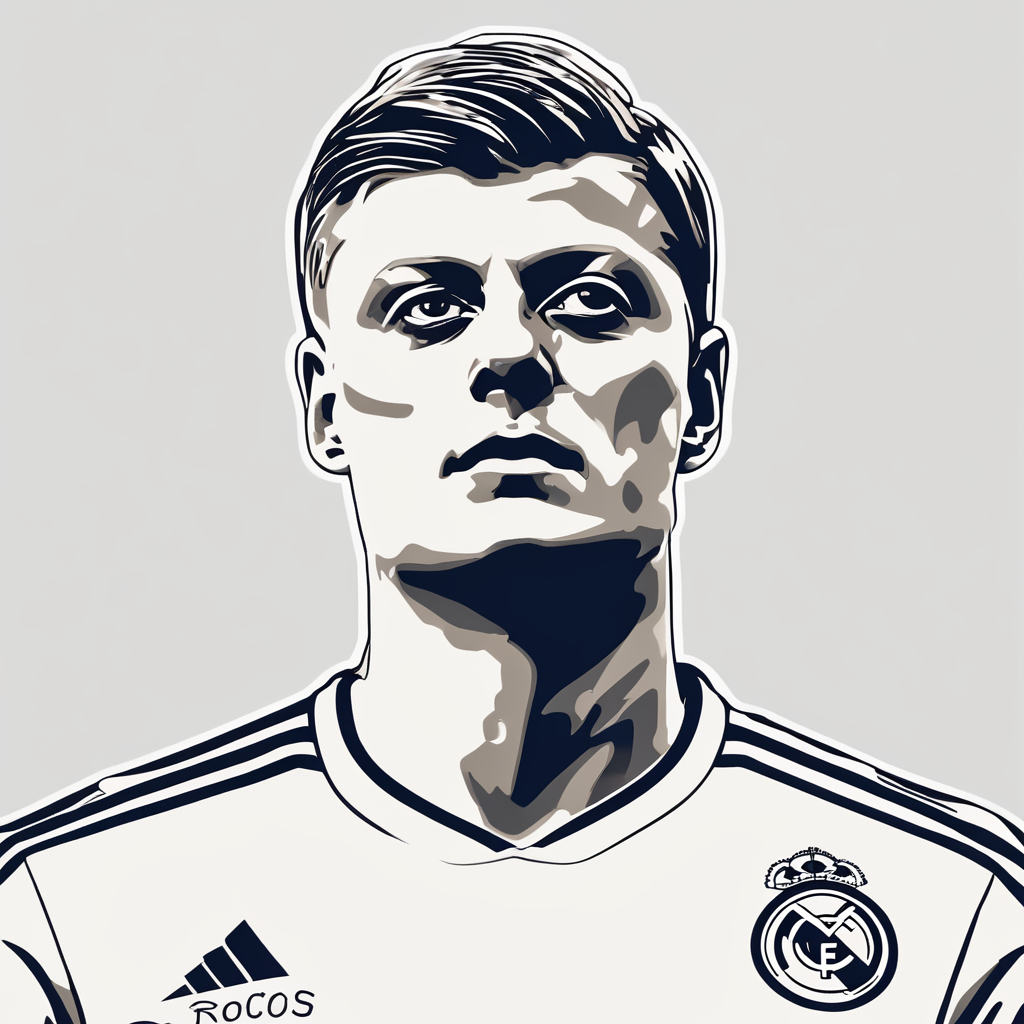
Kroos speaks out about UEFA refereeing committee decision on Cucurella’s hand in Euro quarter-finals

Kroos speaks out about UEFA refereeing committee decision on Cucurella's hand in Euro quarter-finals

It took them three months to acknowledge that it was a handball, something that almost everyone noticed right away. Thank you, but it wasn’t that significant. Am I now going to become a European champion because they’ve officially recognized it as a mistake? I don’t think so.This situation highlights the ongoing challenges that referees and officiating bodies face in football. Decisions made in the heat of the moment can have lasting consequences, and it’s frustrating when those decisions are later deemed incorrect. The fact that it took so long for the UEFA refereeing committee to come to this conclusion is disappointing, especially for players who are deeply invested in the outcomes of these matches.As a competitor, I understand that mistakes happen, and human error is part of the game. However, when a clear handball is missed, it raises questions about the standards of officiating and the systems in place to support referees during high-stakes matches. The technology available today, including VAR, is intended to minimize such errors, yet it seems that inconsistencies remain.For players like me, the emotional toll of these decisions can be significant. We invest our hearts and souls into every match, and knowing that a crucial moment could have been handled differently can be hard to accept. While I appreciate the acknowledgment of the mistake, it doesn’t change the outcome of the match or erase the disappointment of not advancing further in the tournament.

The Controversial Handball Incident: Kroos Reflects on Officiating Standards in Euro 2024 Quarter-Finals

During the Euro 2024 quarter-final match between Germany and Spain, a pivotal moment unfolded involving a shot from German midfielder Jamal Musiala. As Musiala took aim, the ball struck the hand of Spain’s defender Marc Cucurella in the penalty area. The incident sparked immediate controversy, as many spectators and analysts believed it warranted a penalty kick. However, the match referee, Anthony Taylor, opted not to award the penalty, a decision that would later be scrutinized and discussed extensively.In the aftermath of the match, which ended with Spain winning 2-1, the decision not to penalize Cucurella became a focal point for discussions about officiating standards in high-stakes matches. Referees are tasked with making split-second decisions under immense pressure, and this particular instance highlighted the challenges they face. The use of technology, such as VAR (Video Assistant Referee), is intended to assist referees in making more accurate calls, yet the effectiveness of these systems is often questioned when clear incidents appear to be overlooked.

Kroos’s comments regarding the handball incident reflect a broader sentiment among players about the inconsistencies in officiating. He pointed out that it took the UEFA refereeing committee three months to acknowledge what many had seen immediately: that it was indeed a handball. This delay raises concerns not only about the officiating during that specific match but also about how decisions are reviewed and communicated in the aftermath of games.For players like Kroos, moments like these are particularly frustrating. They pour their hearts into every match, and knowing that a crucial decision could have altered the outcome adds an emotional weight to the experience. The acknowledgment of a mistake, while appreciated, does little to change the reality of the game. Kroos emphasized this point when he remarked that knowing the refereeing committee recognized the error wouldn’t make him a European champion. The impact of such decisions can linger long after the final whistle.

The Controversial Handball Incident: Kroos Reflects on Officiating Standards in Euro 2024 Quarter-Finals

Moreover, the psychological aspect of officiating errors cannot be understated. Players often have to navigate the emotional fallout from controversial calls while preparing for subsequent matches. The pressure to perform at the highest level is immense, and knowing that a single moment can shift the trajectory of a tournament adds to the stress. Coaches, players, and fans alike seek clarity and consistency from referees, as it enhances the integrity of the sport.Reflecting on the broader implications, Kroos expressed hope that the incident could serve as a catalyst for improving officiating standards. Better training for referees, enhanced communication about decisions, and clear guidelines for using VAR could contribute to more accurate outcomes in future matches. The goal should always be to uphold the integrity of the game, ensuring that players and teams are judged fairly based on their performances.

As the football community continues to grapple with these challenges, it’s essential to remember that the essence of the game lies in teamwork, resilience, and the ability to overcome adversity. While controversial calls may shape narratives, they do not define the character of the players or the spirit of the sport. Kroos’s focus remains on what he can control: his performance on the field and his contributions to the game he loves.In conclusion, the incident involving Musiala’s shot and Cucurella’s handball will be remembered as a significant moment in the Euro 2024 quarter-finals. As discussions about officiating continue, it is crucial for the football community to strive for improvement while also appreciating the complexities that come with the game. The experiences of players like Kroos can drive positive change, ultimately leading to a more just and fair environment for all involved in football.

Toni Kroos